

Short- and long-term strategic planning must be balanced to ensure optimized container terminal operations.
Short- and long-term strategic planning must be balanced to ensure optimized container terminal operations.

Mitchell Mann began his career at Tideworks in 2021. His data analyst internship was aligned to begin right as the Tideworks team was returning to the office following the first part of the COVID-19 pandemic.
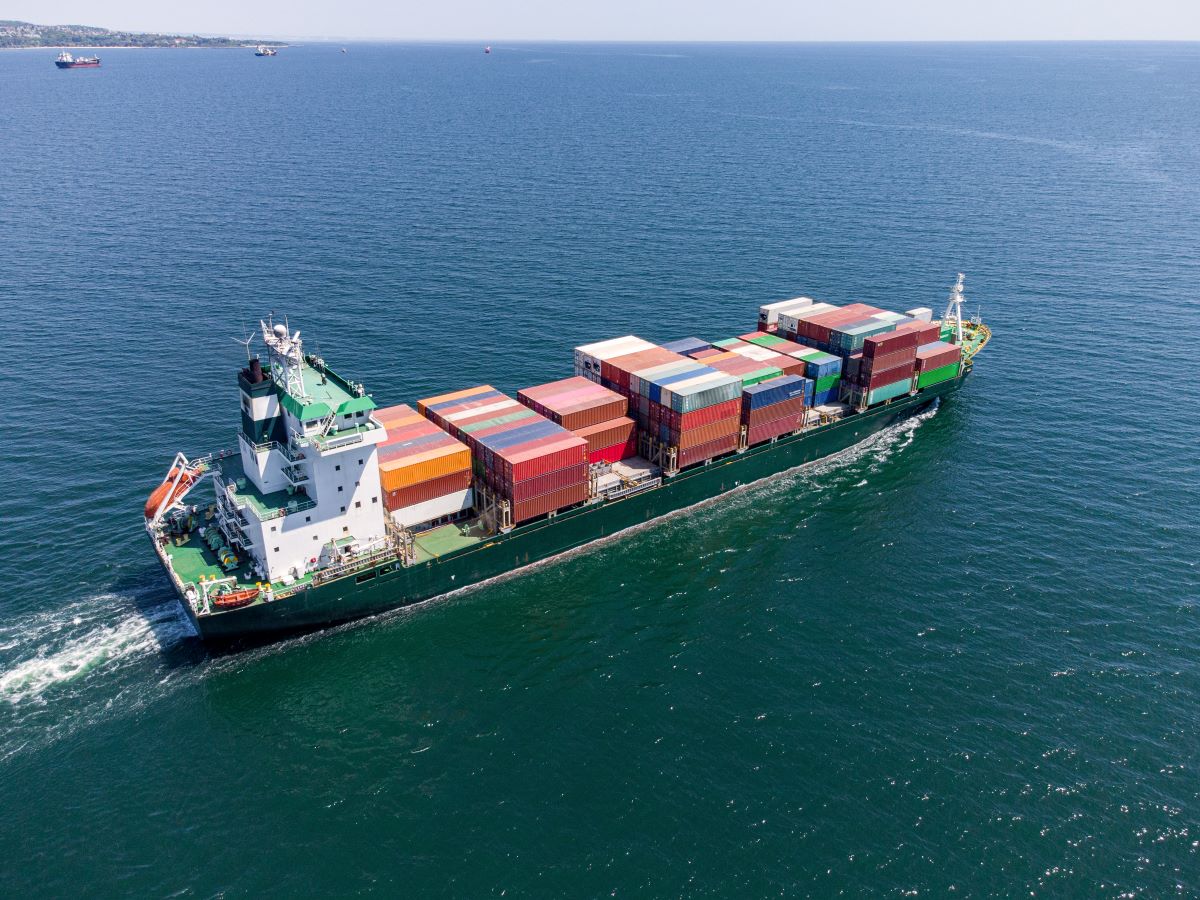
The ISPS code was developed in response to the terrorist attacks of 09/11. Find out how the code applies to marine terminals and how you can use it to secure your operation

From the meticulous planning of arrivals and departures to the careful coordination of loading and unloading operations, terminal operators oversee complex activities. They optimize inventory management, maintain the infrastructure, and track many moving pieces to keep cargo moving and support smooth operations. But through all of this, the main objective is to make sure each and every employee is sent home safely at the end of their shift.

Discover effective strategies for marine terminals to combat air pollution, from regulatory compliance to innovative technologies in our blog.

Remaining OSHA complaint is a business-critical task for marine terminals. Familiarize yourself with the ins and outs of OSHA standards for marine terminals.
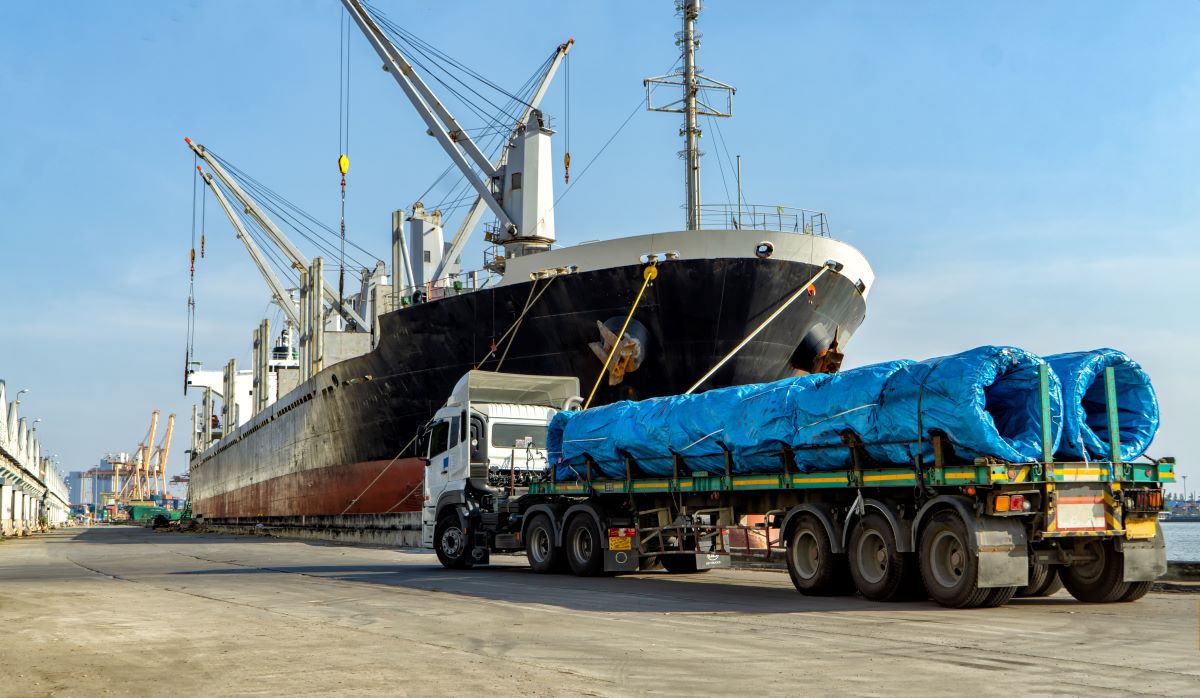
Safety inspections are a necessary cost of doing business in the marine terminal industry. Find out how to prepare for and execute safety inspections without losing profit to delays.

Hazardous materials are subject to strict regulations designed to minimize threats to life, property, and the environment. As a result, they also bring higher fees and increased profitability.

Smooth port transportation depends on proper documentation from shipping and trucking companies, ports, and employees.
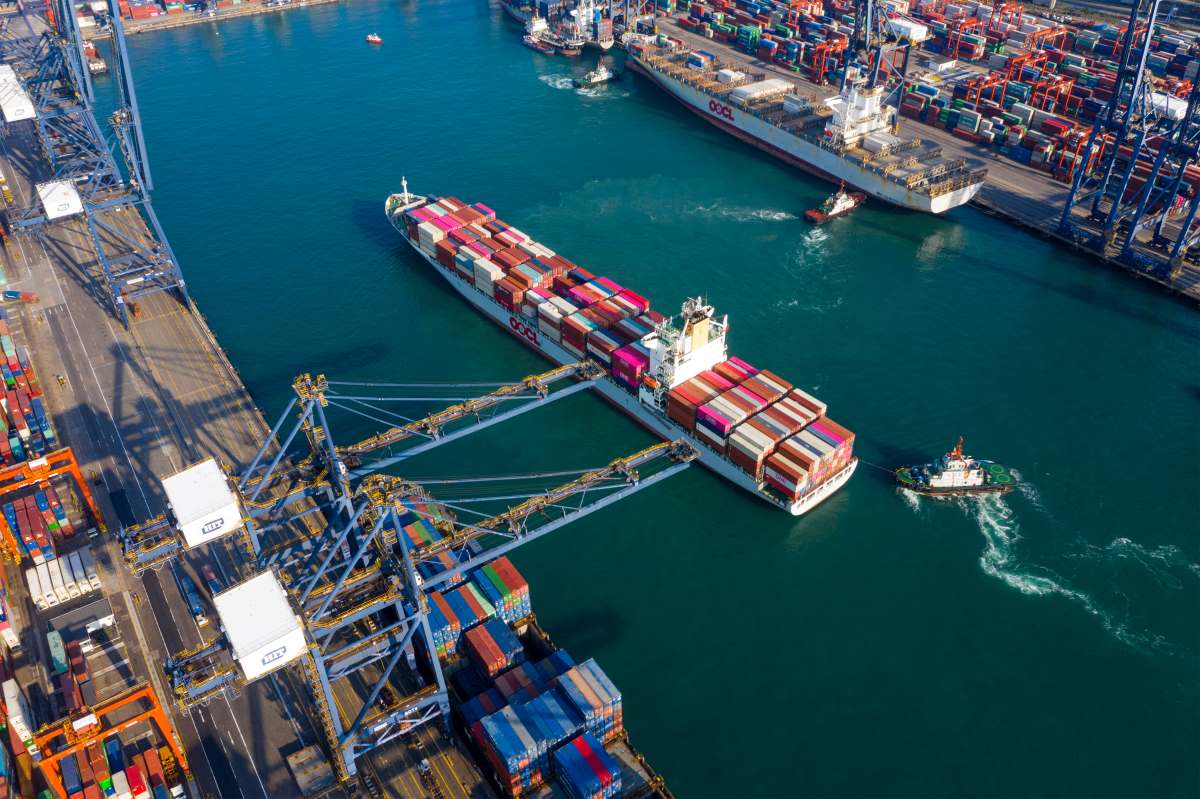
Learn about the environmental compliance laws affecting marine terminals and how compliance can improve sustainability and business success.

Mark Traynor joined Tideworks in 2026 as Chief Product & Technology Officer, bringing more than two decades of hands-on experience in building and deploying terminal technology and automation systems. In this role Mark will lead the company’s product management and engineering organizations and is responsible for the product roadmap and the modernization of the Tideworks platform.
Before Tideworks, Mark was Chief Technology Officer at Lynxis, whose Nascent gate automation systems deployed in nearly 100 marine and rail terminals across North and South America. For Lynxis, Mark led a globally distributed 70+ person engineering team that built a modern, configuration-driven platform on a single codebase while introducing a visual workflow configuration designed to streamline customer implementations. He also introduced cutting-edge computer vision and agentic AI solutions as well as the re-engineering of the hardware to run on readily available commercial components rather than bespoke systems sourced from specialist manufacturers.
For the 13 years before that, Mark was an independent technology partner to major North American automated marine terminal projects, including Virginia International Terminals and Long Beach Container Terminal. These operators relied on him to help lead their most complex terminal operating system implementations driving efficiency and reliability through their gate, rail, yard and vessel operations.
Mark began his career at Navis in 2004, delivering terminal operating system implementations across North America and Europe.
Recent Comments