

Port Technology International spoke with TJ Rucker, President of Tideworks, to explore how terminals can navigate this transformation and prepare for the next decade of digital operations.
Port Technology International spoke with TJ Rucker, President of Tideworks, to explore how terminals can navigate this transformation and prepare for the next decade of digital operations.


Rail and marine terminal operators depend on coordination and communication across their facility’s core activities. But for many terminals, the ability to communicate between different systems and functions is exactly what’s missing.
Technology in intermodal terminals has advanced significantly over the past 25 years. Terminal Operating Systems (TOSs) are now widespread, enabling automated insights, predictive analytics, and even IoT-enabled smart containers.
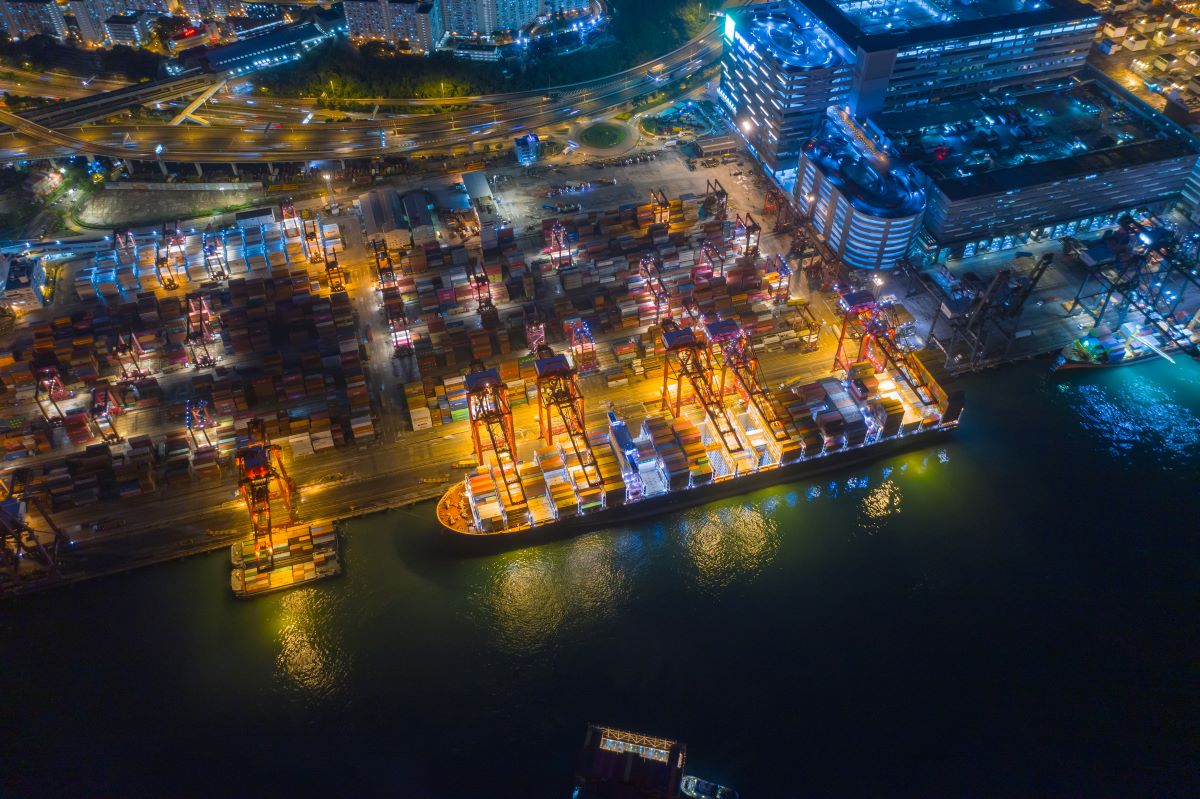
What is widening the gap between the expectations of digital transformation and the day to day? Practical ways marine terminals can modernize.

Discover how marine and rail terminals can rethink KPIs and leverage multi-source data to move from reactive monitoring to strategic measurement.

Mark Traynor joined Tideworks in 2026 as Chief Product & Technology Officer, bringing more than two decades of hands-on experience in building and deploying terminal technology and automation systems. In this role Mark will lead the company’s product management and engineering organizations and is responsible for the product roadmap and the modernization of the Tideworks platform.
Before Tideworks, Mark was Chief Technology Officer at Lynxis, whose Nascent gate automation systems deployed in nearly 100 marine and rail terminals across North and South America. For Lynxis, Mark led a globally distributed 70+ person engineering team that built a modern, configuration-driven platform on a single codebase while introducing a visual workflow configuration designed to streamline customer implementations. He also introduced cutting-edge computer vision and agentic AI solutions as well as the re-engineering of the hardware to run on readily available commercial components rather than bespoke systems sourced from specialist manufacturers.
For the 13 years before that, Mark was an independent technology partner to major North American automated marine terminal projects, including Virginia International Terminals and Long Beach Container Terminal. These operators relied on him to help lead their most complex terminal operating system implementations driving efficiency and reliability through their gate, rail, yard and vessel operations.
Mark began his career at Navis in 2004, delivering terminal operating system implementations across North America and Europe.
Recent Comments