
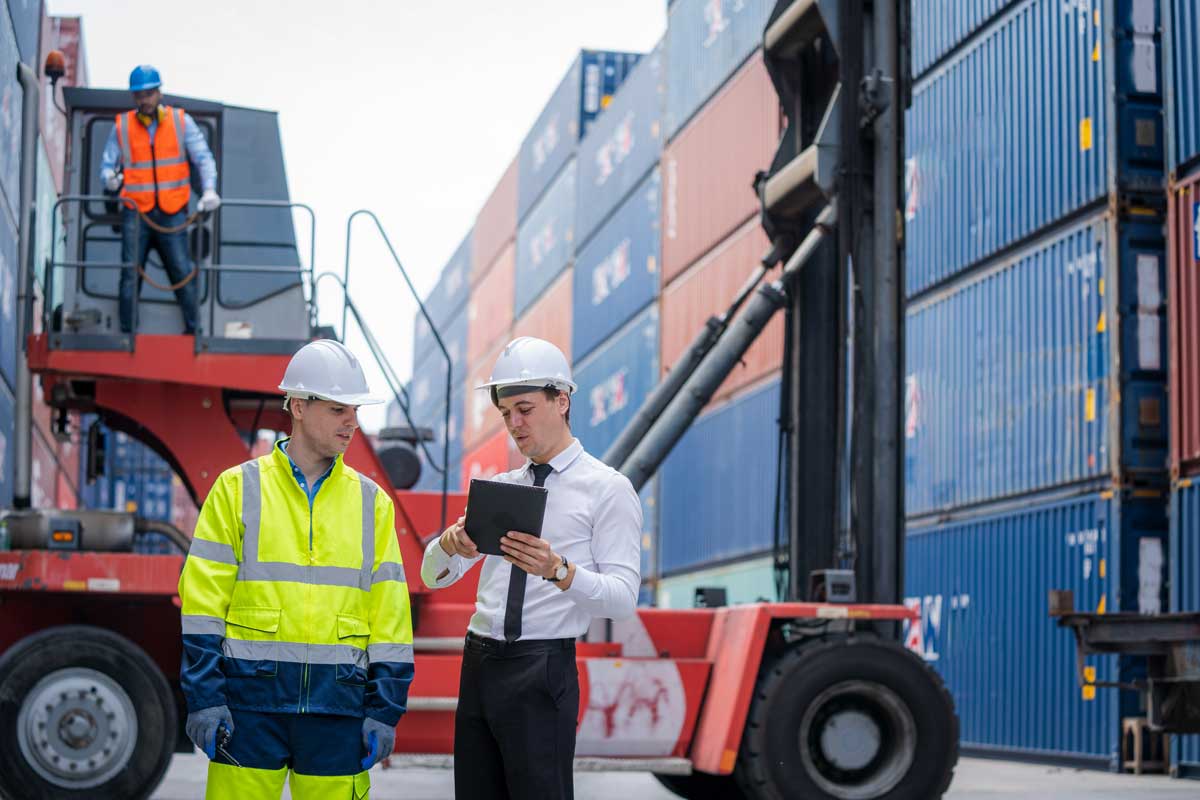
Learn how automation and real-time data can help you raise the efficiency of terminal operations, reducing costs and throughput times
Learn how automation and real-time data can help you raise the efficiency of terminal operations, reducing costs and throughput times

Here are the top 10 features of our base intermodal solutions, Intermodal PRO®, and Traffic Control™, chosen by Tideworks engineers and product specialists.

When terminals need help effectively utilizing and fine-tuning the Tideworks Terminal Operating System (TOS), they turn to our operational consulting and analysis services. Our team of professionals has many years of experience in terminal operations and an in-depth understanding of our clients’ business and the Tideworks TOS solutions.
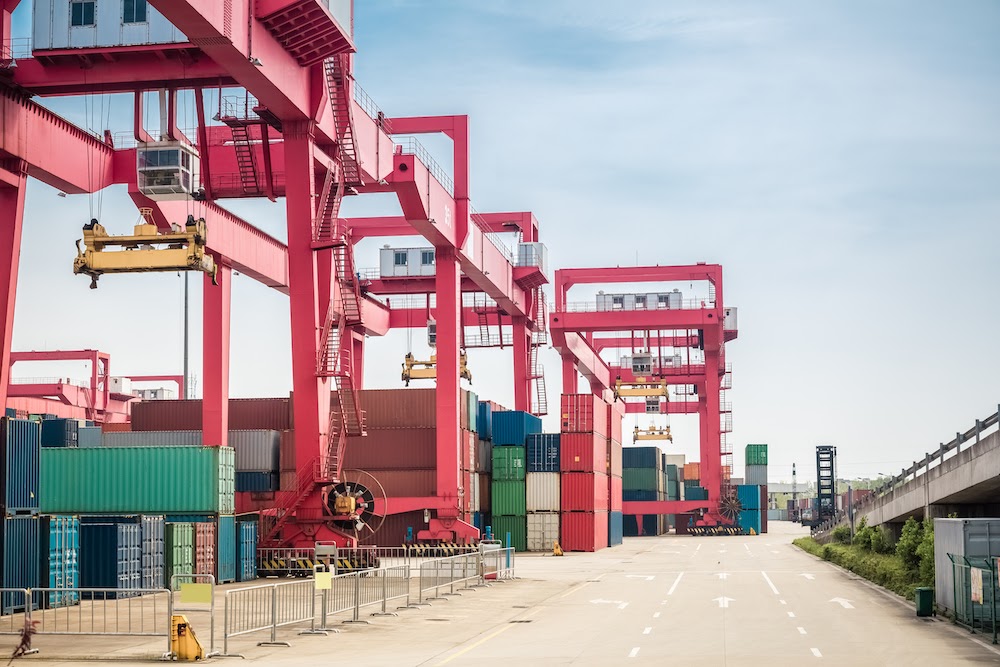
COVID-19 was one of the biggest crises the intermodal industry has faced in recent decades, but volume volatility is an ever-present concern.

Whether you’re a small terminal or a massive, multi-modal operation, knowing where your equipment is and what it’s doing at all times is the best way to find bottlenecks and realize efficiencies.

No single intermodal terminal is exactly the same. Each has a different footprint, layout, and track configuration. Local agreements will differ, as will the geography, weather, and a host of other factors. Trying to design a one-size-fits-all TOS is a fool’s errand.

Mark Traynor joined Tideworks in 2026 as Chief Product & Technology Officer, bringing more than two decades of hands-on experience in building and deploying terminal technology and automation systems. In this role Mark will lead the company’s product management and engineering organizations and is responsible for the product roadmap and the modernization of the Tideworks platform.
Before Tideworks, Mark was Chief Technology Officer at Lynxis, whose Nascent gate automation systems deployed in nearly 100 marine and rail terminals across North and South America. For Lynxis, Mark led a globally distributed 70+ person engineering team that built a modern, configuration-driven platform on a single codebase while introducing a visual workflow configuration designed to streamline customer implementations. He also introduced cutting-edge computer vision and agentic AI solutions as well as the re-engineering of the hardware to run on readily available commercial components rather than bespoke systems sourced from specialist manufacturers.
For the 13 years before that, Mark was an independent technology partner to major North American automated marine terminal projects, including Virginia International Terminals and Long Beach Container Terminal. These operators relied on him to help lead their most complex terminal operating system implementations driving efficiency and reliability through their gate, rail, yard and vessel operations.
Mark began his career at Navis in 2004, delivering terminal operating system implementations across North America and Europe.
Recent Comments