April 19, 2024
SECTOR ANALYSIS: AI OFFERS MORE FOR AUTOMATED GATES
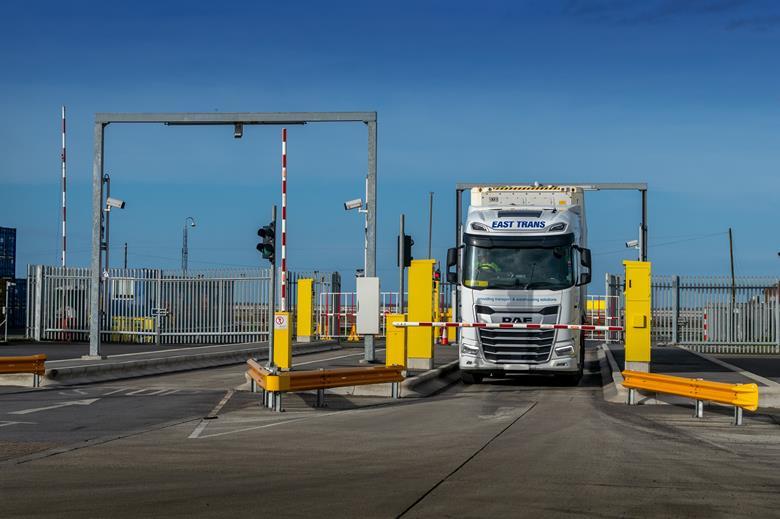
Automated gate systems play an important role in boosting container terminal operations, and will further enhance productivity with the advancement of artificial intelligence (AI). Gate automation helps terminal operators in their quest to boost container throughput and quick turnaround times by reducing congestion, transactions and wait times. As Chloe Grams, Product Manager, Gate Solutions, Tideworks Technology, points out, they have the added advantage of reducing operating costs, and creating a safer and more sustainable working environment due to reduced truck idling and eliminating unnecessary moves.
New technologies such as AI are likely to play a greater role within such systems. Ms Gram notes: “As more terminals and operating technologies leverage emerging technologies, automated gate systems will continue to advance. For example, growing interest in and early adoption of AI adds another layer of intelligence to automation.” For instance, as applications of AI evolve to help predict and manage container dwell times, stakeholders across the supply chain will be able to navigate changes in volumes and even regulatory outcomes more effectively. Highlighting its growing role, she adds: “Looking ahead, the increased adoption and advancements in AI in gate operations will redefine what is considered possible in terminal performance and planning.”
Recent contracts and innovations, as detailed in the news below, underline the growth of automated gate systems within container terminals, with port operators reaping the benefits.
Tideworks Technology: US-headquartered Tideworks Technology’s terminal operating systems (TOS) offer integration capabilities with gate operating and vehicle booking systems. Chloe Grams, Product Manager, Gate Solutions, Tideworks Technology says: “These integrations help terminal operators manage activity before truckers arrive at the gate. Once at the terminal, the automation technologies allow real-time monitoring to determine the status and location of containers. This visibility for the trucking community and terminal operators impacts yard equipment productivity and the consistency of truck turnaround times.” Genesee & Wyoming Inc. (G&W) leverages Tideworks’ Intermodal TOS to power automated gate solutions for its UK rail and container terminal operations. Tideworks Intermodal Pro and Traffic Control solutions are integrated with Advent eModal’s vehicle booking and Camco Technologies’ gate management systems. Since that deployment, Tideworks, Advent and Camco have supported G&W’s automation initiatives with deployments spanning several Freightliner and Pentalver sites. Following the deployment, G&W UK operations have seen improvements in turn times. For example, the Birmingham terminal has reduced the time to clear gate queues from two hours to 20 minutes.