
Freightliner takes steps towards AI-enhanced decision making, World Cargo News

By June 2, 2025July 1st, 2025Articles
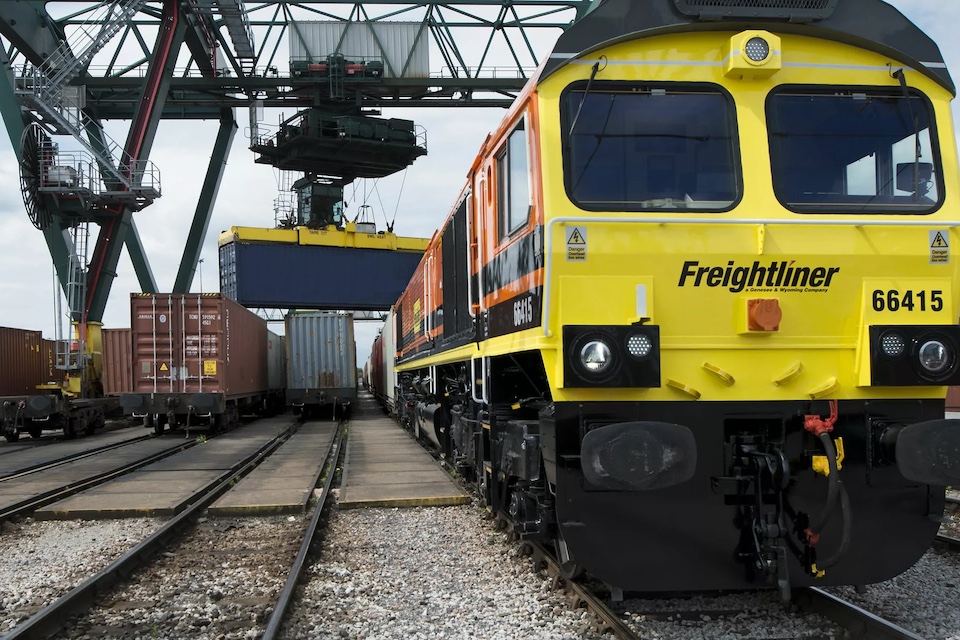
Freightliner close up intermodal loading

Tideworks has integrated its IPRO TOS with a third-party “low-code automation platform engineered for AI-enhanced decision making” for Freightliner.

Seattle-based Tideworks Technology Inc (Tideworks) has announced “ the successful deployment of an advanced integration with Freightliner Ltd. (Freightliner), the UK’s largest maritime intermodal logistics operator. The integration enhances planning by reducing manual processes and improving consistency, speed and accuracy across Freightliner’s UK terminals. These enhancements support scalable growth and better asset utilization.”

Freightliner uses Tidework’s intermodal terminal TOS, Intermodal Pro (IPRO). The new integration connects IPRO with Decisions, “a third-party, low-code automation platform engineered for AI-enhanced decision making, to enable intelligent, rule-based automation of rail booking and planning across Freightliner’s network of UK terminals,” Tideworks explained.

Based in Virginia Beach, Decisions has developed a low-code automation platform that streamlines and optimises complex business processes. It combines an enterprise-grade rules engine, dynamic workflow management, and AI capabilities into a unified solution.

Read the full article.

Mark Traynor

Chief Product & Technology Officer

Mark Traynor joined Tideworks in 2026 as Chief Product & Technology Officer, bringing more than two decades of hands-on experience in building and deploying terminal technology and automation systems. In this role Mark will lead the company’s product management and engineering organizations and is responsible for the product roadmap and the modernization of the Tideworks platform.

Before Tideworks, Mark was Chief Technology Officer at Lynxis, whose Nascent gate automation systems deployed in nearly 100 marine and rail terminals across North and South America. For Lynxis, Mark led a globally distributed 70+ person engineering team that built a modern, configuration-driven platform on a single codebase while introducing a visual workflow configuration designed to streamline customer implementations. He also introduced cutting-edge computer vision and agentic AI solutions as well as the re-engineering of the hardware to run on readily available commercial components rather than bespoke systems sourced from specialist manufacturers.

For the 13 years before that, Mark was an independent technology partner to major North American automated marine terminal projects, including Virginia International Terminals and Long Beach Container Terminal. These operators relied on him to help lead their most complex terminal operating system implementations driving efficiency and reliability through their gate, rail, yard and vessel operations.

Mark began his career at Navis in 2004, delivering terminal operating system implementations across North America and Europe.