
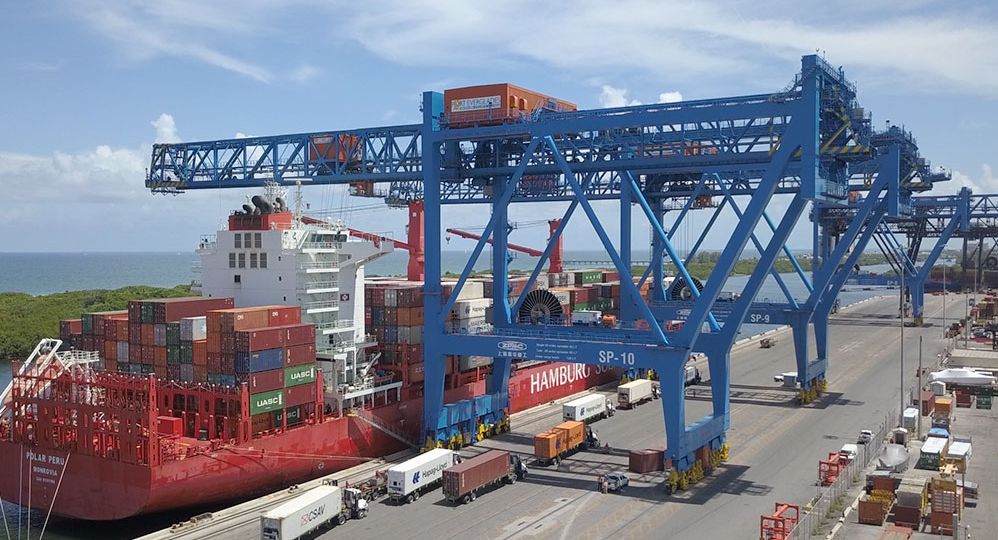
Florida International Terminal (FIT) has added Traffic Control to its suite of Tideworks’ software to improve terminal logistics and safety at its operation.
FIT operates several Tideworks’ marine solutions, including Mainsail 10, the Spinnaker Planning Management System and the Forecast web portal. It has now added Traffic Control, Tideworks’ equipment execution system.
Traffic Control has replaced radio communication and paper-based instructions with real-time electronic dispatching. Explaining this further to WorldCargo News, Taj Balzotti, Senior Professional Services Analyst at Tideworks Technology, said FIT clerks manage all interactions using mobile, touchscreen-enabled tablets mounted inside their vehicles.
Traffic Control puts all the information needed to manage truck and equipment flow at the terminal in one place. “Applications such as Yard Manager and Inventory Clerk provide real-time visibility into driver instructions, container locations, and truck queues. Clerks can group trucks headed to the same yard section, flag containers with upcoming appointments, and provide proactive instructions to equipment operators—reducing non-revenue moves,” Balzotti said.
“The Yard Manager application displays real-time gate-in times, identifies trucks in queue, and allows clerks to prioritise or group drivers headed to the same yard rows. Simultaneously, the Inventory Clerk tool provides a full view of pickup and delivery details, enabling drag-and-drop inventory updates and smart container lookup. Crucially, clerks can flag containers associated with scheduled appointments and alert equipment operators so they may keep them available,” Balzotti added. “Every completed move, reassignment, or container update is reflected in real time across all systems, ensuring synchronisation between planning and execution.”
Traffic Control can be configured to provide over the road trucks with specific routing instructions and support automated job completion reporting, but these have not been implemented at FIT. Confirming that a container has been picked up or dropped off is performed by clerks.
“Traffic Control has transformed how we manage yard operations,” said Justin Weir, president of FIT. “The safety improvements and operational gains we’ve seen in just a few months are helping us strengthen our position as a leading terminal in South Florida. These advancements support our commitment to safer, more efficient service for our customers and the community.”
Managing processes digitally has improved safety by allowing operators to remain in their vehicles. In addition, FIT has installed new physical barriers that improve driver safety and help streamline gate operations.
“FIT’s operators have trusted our solutions for nearly 20 years, and we don’t take that lightly, said Thomas Rucker, president of Tideworks Technology. “By integrating Traffic Control with both our terminal operating system and gate operations, we’re equipping the operation with the tools needed to reduce unproductive moves, improve truck turn times, and enhance yard safety, enabling experienced teams like FIT’s to drive even greater results.”
Traffic Control went live in Q1 2025, but the initial implementation is just the beginning in a journey to bring predictive intelligence to decision making. “Tideworks’ applications include business rules and optimisation features that can adjust the plan based on equipment performance and queue priorities. We’re also working on implementing third-party AI and machine learning platforms through APIs, so that smarter, faster decisions can be made dynamically as operations evolve,” Balzotti concluded.